



How do I actually get out of emotional numbness?
From the outside, your life may seem orderly: your work is going smoothly, your responsibilities are being met, and people may perceive you as strong and composed. But inside, something is at a standstill. There's no palpable sadness, no palpable joy, and no real ability to engage with what's happening. If you're asking yourself, "How do I break out of this emotional freeze?" you're likely not looking for quick fixes, but rather for an honest explanation of what's going on and safe steps to get back to yourself without pressure or blame.
What exactly is emotional numbness?
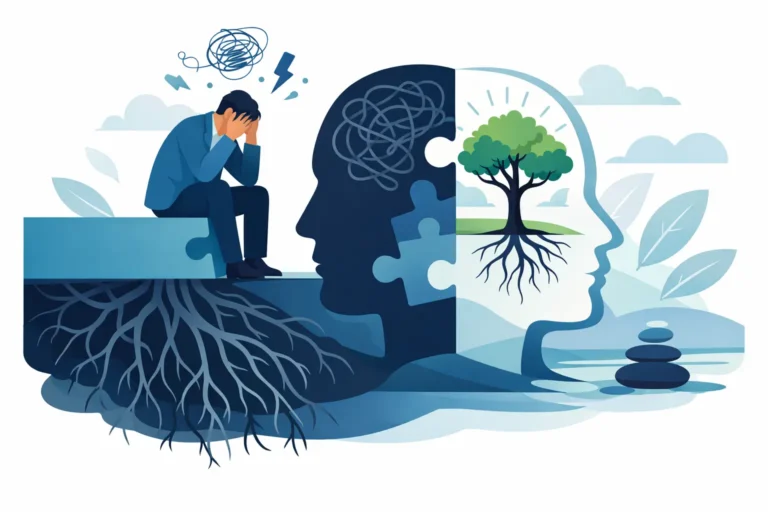
Emotional numbness is not a sign of coldness, nor is it evidence of weak faith, a lack of love, or a hard heart. In many cases, it's a protective response from the nervous system when it senses that emotions are too much, overwhelming, or unsafe to be felt. The body isn't betraying you; it's simply trying to keep you going.
This can happen after obvious traumas, or it can happen after years of constant stress, an upbringing that didn't allow for emotions, or relationships that taught you that feeling is costly. Some people don't break down in tears; instead, they enter a long period of inner silence. They work, they smile, they go on with their day, but inside they are disconnected.
For this reason, breaking out of the freeze does not begin with the question: How do I force myself to feel? Rather, it begins with a more precise question: What made my nervous system consider sensation dangerous?
How do I know if what I'm going through is emotional numbness?
The signs aren't always dramatic. Sometimes they appear quietly and confusingly. You might feel like you don't know what you want, or that you're making all your decisions out of obligation. You might find it difficult to cry even when you're hurting, or feel like talking about your feelings sounds empty, like you're describing something that doesn't belong to you.
This stagnation can manifest as chronic fatigue, procrastination, disturbed sleep, loss of motivation, or a recurring feeling of being present only physically. Some people mistake laziness or a lack of discipline for the problem, but the truth is much deeper. When the inside freezes, the outside feels heavier.
Why do quick tips not work?
Because emotional numbness isn't just a misconception that can be changed with a positive affirmation. If the cause is related to neurological protection, simply telling yourself to express yourself, speak up, and confront the issue won't suffice. Sometimes, forcing yourself to feel something actually increases the disconnection rather than alleviates it.
Good intentions alone are not enough. Yes, awareness is important. But awareness without security can turn into a painful, uncontainable revelation. This is why many people read a lot about emotions and healing, but don't experience a real transformation. The problem isn't just a lack of understanding, but that the body is still not convinced that returning to sensation is safe.
How can I get out of emotional stagnation without putting pressure on myself?
The first step is to stop treating yourself as broken and in need of immediate fixing. This simple shift in perspective alleviates a great deal of inner turmoil. Instead of asking, "Why am I like this?" try asking, "What am I trying to protect right now?"
When the question shifts from blame to understanding, the nervous system begins to pick up on a different signal. There is no longer a new attack from within. There is someone trying to listen.
Start with the body before the analysis.
In cases of hypothermia, overanalysis can become another escape route. You understand everything, but you feel nothing. Therefore, it's helpful to start with simple bodily cues: warmth in the hands, heaviness in the chest, stomach contractions, jaw tension, or the sensation of breathing in and out.
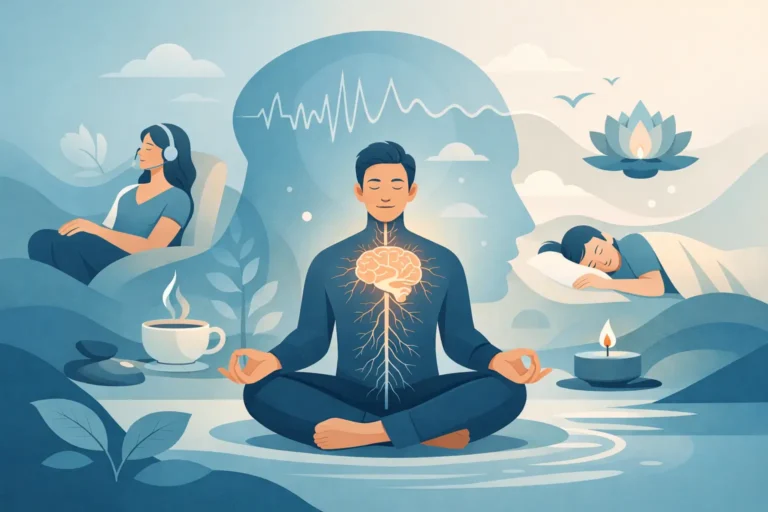
What's needed here isn't forced meditation or prolonged sitting with the pain. What's needed are small doses of presence. A minute or two several times a day might be more beneficial than a deep, exhausting attempt. When you gently pay attention to your body, you're telling your nervous system that the return is happening slowly and safely.
Name what's happening, even if it's vague.
It's not necessary to know the feelings precisely from the beginning. It might be enough to say: there's a blockage. There's a distance. There's a heaviness. Labeling isn't a complete solution, but it builds a bridge between the experience and being aware of it.
Many people have learned to speak only the language of thought: I'm stressed, busy, under pressure. But behind these words may lie deeper feelings such as fear, sadness, disappointment, or helplessness. Reaching them requires patience, not haste.
Reduce excessive stimulation
Sometimes, feeling numb doesn't mean you're not feeling anything; it means your nervous system is overloaded. That's why you might find yourself consuming too much content, working nonstop, or being constantly busy, and then saying, "I don't feel anything." In reality, you might not be pausing long enough to listen to what's going on inside you.
Reducing noise doesn't mean isolating yourself from life; it means creating less cluttered spaces. Take screen-free time before bed, go for a quiet walk, cut back on draining relationships, or slow down your daily schedule a bit. These changes may seem simple, but they give your nervous system a chance to break out of constant survival mode.
How can I overcome emotional numbness if its cause is old?
This is where a deeper approach is needed. Not every emotional freeze thaws on its own, especially if it's linked to trauma, chronic emotional neglect, or experiences that caused you to disconnect from yourself in order to survive. In these cases, a gradual return of feelings may require a nurturing and structured process, rather than a sudden confrontation.
Work based on understanding trauma helps because it doesn't just ask, "What happened to you?" but also, "How did your system adapt to what happened?" That makes a big difference. When we understand freezing as a survival strategy, the shame decreases, and the ability to deal with it wisely increases.
This is where the value of approaches that consider the body, its internal components, and the relationship between them comes in, such as compassionate inquiry-based work, understanding the components of the psyche, or progressive neuroregulation. These aren't just catchy names; they're methods that help you approach your pain without being overwhelmed by it.
What might slow down recovery?
One of the biggest obstacles to breaking out of a rut is expecting immediate results. When you tell yourself, "I tried it for a week and nothing changed," you're essentially turning a deep-seated neural response into an on/off switch. Sometimes, progress begins with very small things: a tear that never came before, a clearer sense of hunger or fatigue, a desire to withdraw from a toxic relationship, or a greater ability to say no.
Comparison is also harmful. You might see people who express themselves easily or talk about a quick recovery, and you might think there's something wrong with you. But the nervous system doesn't work the same way for everyone. What one person needs in a month, another might need over a longer, more gentle period.
And there's an important point: some people use spirituality or psychic knowledge to bypass pain instead of confronting it. They talk about surrender, awareness, or maturity, while inside, there's still an unacknowledged numbness. There's nothing wrong with profound meanings, but if they don't translate into genuine presence with the body and emotions, they can become a beautiful cover over an old wound.
When do you need expert support?
If freezing is affecting your relationship with yourself, your marriage, your sleep, your ability to work, or if you feel disconnected from your life for extended periods, professional support is not a luxury. And if you notice that any attempt to approach your feelings leads to severe breakdowns, panic attacks, or further shutdowns, this is a clear indication that work requires a safe space and conscious guidance.
Good support doesn't intrude. It doesn't force you to quickly retrieve everything. And it doesn't treat you like a symptom file. Instead, it helps you build security step by step, until you regain the ability to feel, choose, and connect.
In this context, many people find a real difference when they work with someone who understands trauma at its root, not just superficially. This is the essence of the work Montaser Moussa offers: a space that combines systematic understanding, human empathy, and healing that doesn't merely manage symptoms but addresses the underlying cause.
What helps you today, in a simple and genuine way?
Start with the smallest step you can commit to. Don't look for a major transformation this week. Look for one sign of truth. Sit with yourself for three minutes without distractions. Place your hand on your chest if it feels comfortable. Notice if there is tension, emptiness, or even nothing at all. Then allow what's there to be without immediate interpretation.
If you can, write down one sentence each day: What do I feel in my body right now? Not what I'm thinking, but what I'm feeling. Over time, you'll notice that ice doesn't always break with a loud bang. Sometimes it melts quietly, when it finally finds a safe place where it isn't required to pretend to be strong.
You don't need to become someone else to heal. You just need to stop fighting your old response and start a new relationship with yourself—one that is more secure, more honest, and more compassionate than it takes to get better. That's where true healing begins.