


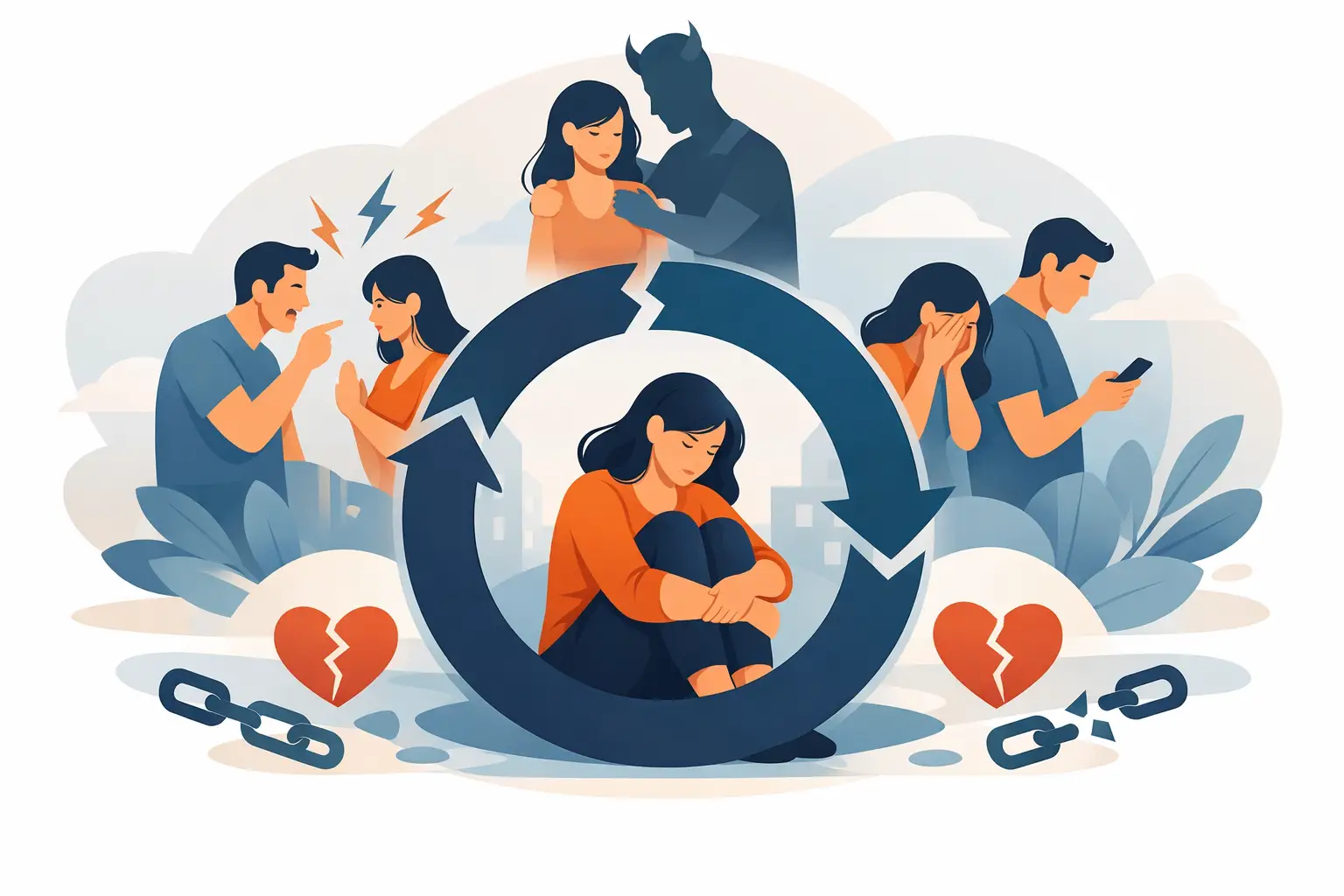
Why do I keep repeating the same harmful relationships?
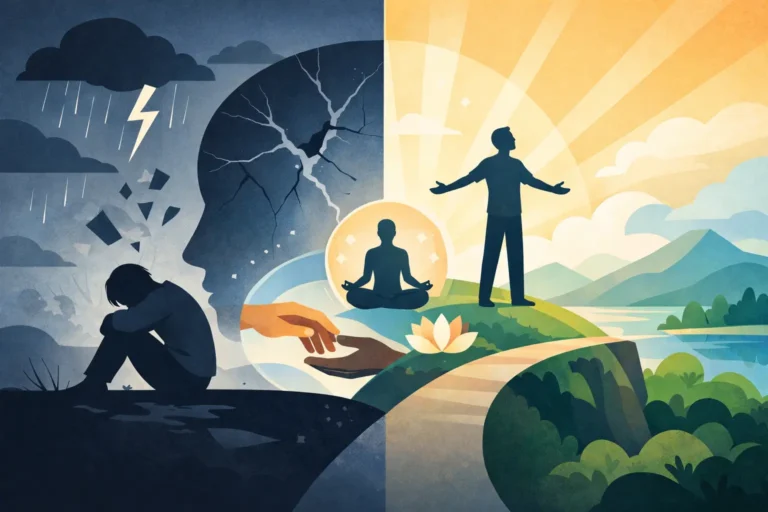
The story often begins with this painful question: Why do I keep repeating the same hurtful relationships, even though I see the warning signs early on and promise myself each time I won't make the same mistake? The person may change, the details may change, but the feeling remains the same—intense attraction at the beginning, then justification, then exhaustion, then regret, then an inner promise that this is the last time. If you recognize this pattern well, you're not simply suffering from a lack of awareness, a lack of intelligence, or a lack of willpower. Often, something deeper is driving the choice, something lurking beneath the surface.
The problem isn't that you enjoy pain. The problem is that your subconscious has learned, early on, to associate love with things that don't resemble security. It might associate it with mystery, the constant striving to please the other person, anticipation, the fear of loss, or the attempt to gain acceptance. And when this association is formed early, the familiar becomes stronger than the logical. So you might distance yourself from someone who is available and secure, then be inexplicably drawn to someone who awakens in you the very same anxieties you know so well.
Why do I keep repeating the same harmful relationships even though I am aware of it?
Awareness is important, but it's not always enough. Many people understand their pattern intellectually, but their bodies still react to closeness, rejection, attention, and fear in the same old way. This is where the difference lies between knowing your story and actually healing from it.
When you carry the wound of attachment, the lingering fear of abandonment, or the repeated experience of your emotional needs going unmet, you might unwittingly seek out a relationship that recreates that scenario. Not because you want to be hurt, but because a part of you is still desperately trying to change the ending. It's as if your soul is saying: "This time, I'll make someone similar to the one who let me down love me the way I need." This attempt is understandable, but it's often incredibly costly.
There's also another, less obvious reason: sometimes you mistake security for indifference, and tension for passion. A volatile person might seem deep and exciting, while a clear and stable person might initially seem less appealing. This isn't to say that a calm relationship is always right, or that every strong attraction is wrong, but when your nervous system is used to tension, it might interpret stability as a lack of chemistry, when in reality it's something you're not yet accustomed to.
An untreated wound doesn't disappear – it chooses
This is one of those harsh yet merciful truths. A wound that goes unseen, ununderstood, and unhealed does not remain dormant. It enters into your choices, your interpretation of actions, your boundaries, and your prolonged patience with the unbearable.
This dynamic can manifest in various ways. You might be drawn to someone who is emotionally unavailable, then spend months trying to convince yourself that they simply need time. You might assume the role of savior, feeling that your worth comes from fixing the other person. Or perhaps you accept minimal attention because something deep down has taught you that neediness is a burden, and that demanding clarity might push the other person away.
In many cases, the problem isn't just the initial choice, but staying after the truth is revealed. The more accurate question then becomes: not only, why am I attracted to this type of person? But also, why do I continue after the harm is evident? This question requires profound honesty, because the answer often touches on a fear of loneliness, a feeling of unworthiness, or a chronic hope that love must be seized, not given.
Signs that the pattern is deeper than just bad luck
If your relationships consistently evoke the same feelings, even with different people, it's likely a pattern, not a coincidence. Signs of this include quickly feeling solely responsible for the relationship's stability, worrying about telling the truth for fear of losing the other person, or ignoring your body's signals of discomfort and unease. Similarly, if you find yourself justifying abuse, minimizing your own needs, or confusing patience with self-sacrifice, these aren't just passing mistakes.
Sometimes the pattern is more subtle. There's no outright abuse, but there's a constant ambiguity, emotional withdrawal, or fluctuation that keeps you constantly trying to understand what's going on. These relationships can be harmful because they keep you on edge. The relationship seems to exist, but you don't feel safe within it.
Why are general tips not enough?
Because this kind of repetition can't be solved simply by saying things like "Raise your standards" or "Love yourself more." These statements might be partially true, but they don't address the root cause. A person who repeatedly engages in harmful relationships often doesn't need more blame, but rather a deeper understanding of what's happening inside them when they approach love.
When we understand the pattern in a way Takes shock into account And the neural responses change how we deal with it. Instead of asking: Why am I ruining my life with my own hands? We start asking: What part of me has learned that this is love? What is he afraid of if I set clear boundaries? And what does he consider dangerous in a healthy relationship? These questions do not justify the harm, but they open a real door to change.
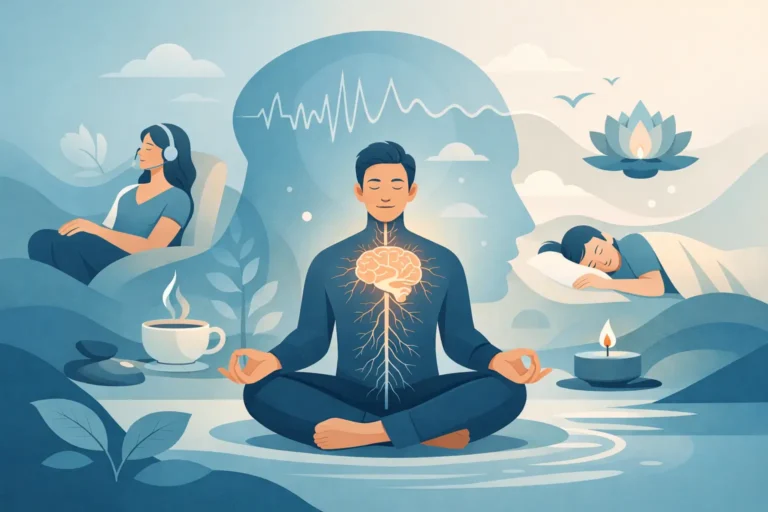
In deep therapy, whether through trauma-sensitive techniques like IFS or NARM, or other structured approaches, the goal isn't simply to stop the overt behavior. The goal is to help you return to yourself in a way that makes different choices possible, not just a burdensome obligation. Because when you feel safer inside, you become less susceptible to manipulation and less likely to mistake anxiety for love.
How do I begin to break the pattern of toxic relationships?
The starting point isn't just finding the right partner, but building a healthy internal framework. After every significant interaction, ask yourself: How does my body feel with this person? Am I comfortable and open, or tense and preoccupied with guessing their intentions? Can I say no? Can I ask for what I need without undue fear of punishment or withdrawal?
Also, pay attention to the stories that automatically play out inside you. Do you tell yourself that you just need to be more patient? Do you justify the lack of consistency by citing pressure, fear, or complexity? Sometimes the problem isn't that the other person didn't explain themselves well, but that you ignored the obvious because your inner self wasn't ready to see the whole truth.
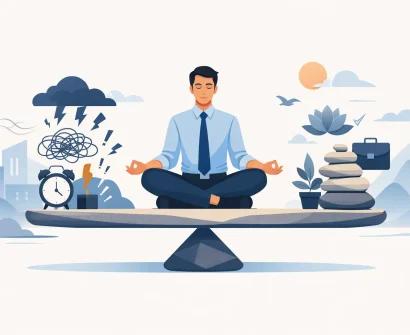
It's important to understand that setting boundaries might initially feel harsh or selfish, especially if you were raised to please others or to gain love through endurance. However, healthy boundaries aren't about rejecting the other person; they're about protecting yourself from entering a relationship that throws you off balance. The right person won't require you to give up on yourself to be with them.
Real change takes practice and patience. Sometimes you'll recognize the pattern too late, and sometimes you'll notice the same attraction returning. This doesn't mean you've failed. Healing isn't a straight line. It's often a gradual transition from unconscious involvement to awareness, then to stopping, and then to choosing differently. Each of these stages has its value.
What if a part of me still longs for this kind of relationship?
This is more normal than you might imagine. Don't be ashamed of it. Some inner parts don't crave the pain itself, but rather the intimacy, even if it hurts. They know this form of love, they know how to navigate it, and they know their role in it. That's why the healthy unknown can seem more unsettling than the painfully familiar.
For this reason, recovery is not a war against yourself. It's not about suppressing your needs or berating your weaknesses. It's about learning to guide these parts gently and clearly, not letting them dictate your choices. And when that happens, something very important changes: you no longer just ask why you keep repeating the same hurtful relationships, but you begin to see clearly what was drawing you back to them, and what has changed within you now.
If you're at this stage, you don't need to harshly judge your past. You need a safe space where you can understand your story from its roots, not just its surface. Because you're not broken, and you're not condemned to this pattern forever. What has been repeated can be understood, and what has been truly understood can be changed. And sometimes, the beginning of healing is the moment you stop asking why this is happening to you and quietly begin to ask: What is this pattern trying to reveal to me about the self I haven't yet encountered?