


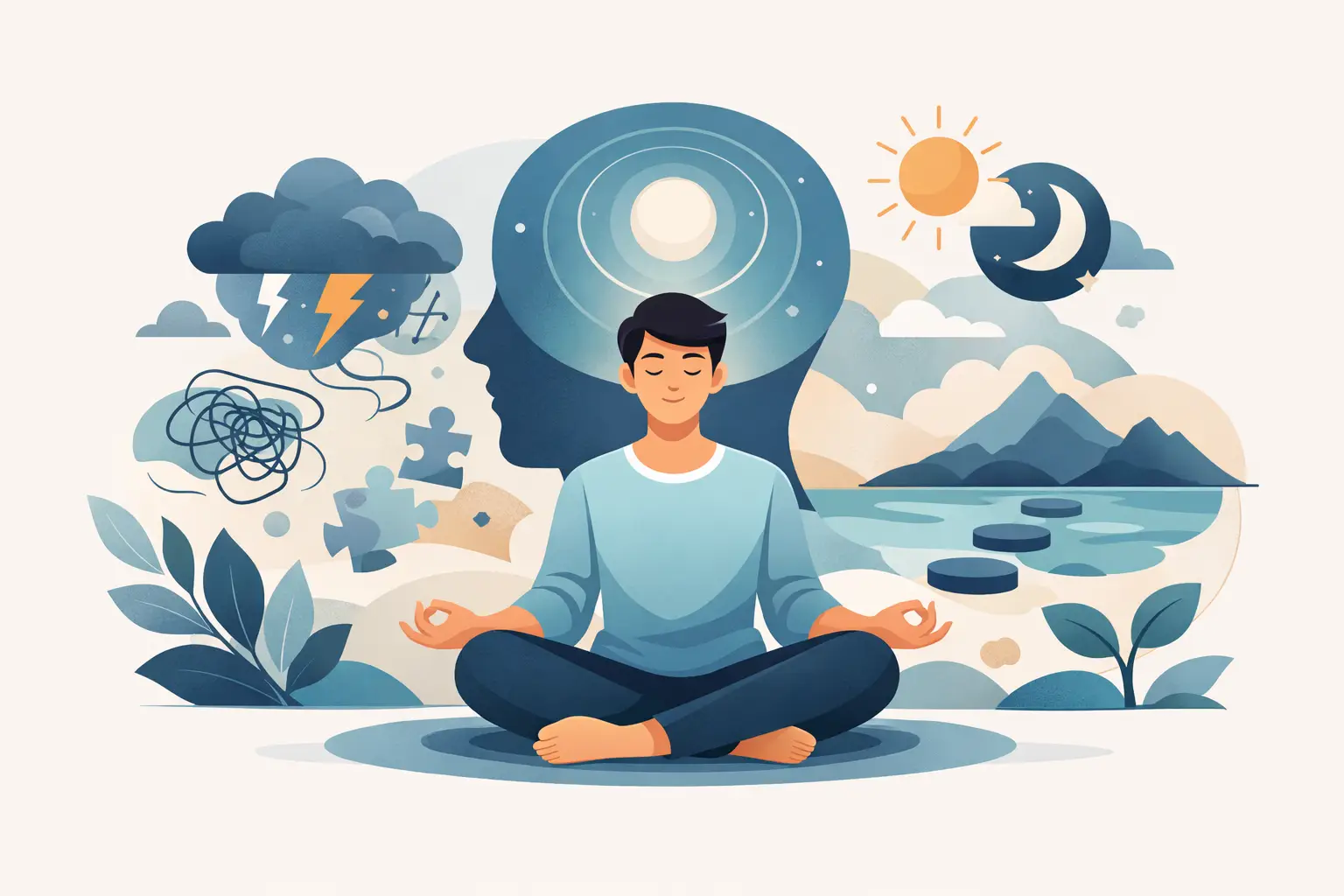
Regulating Emotions: How to Truly Calm Your Inner Self
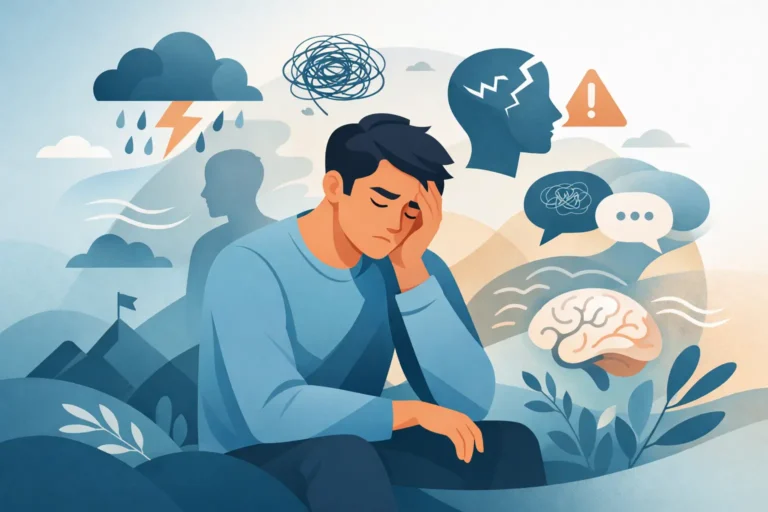
There's a moment many people know all too well: outwardly, your life seems acceptable, perhaps even successful, but inwardly you feel like you're living on the edge of something restless. Constant tension, inexplicable unease, heightened sensitivity, or a sudden outburst that feels completely out of character. This is where the real question of emotional regulation begins. Not because you're weak, but because your inner self is demanding something deeper than mere endurance.
What does regulating emotions really mean?
Many people understand emotional regulation as self-control, not crying, suppressing anger, or acting rationally no matter what. This understanding is common, but incomplete and sometimes harmful. A person may appear very calm on the outside while, inwardly, they are detached from themselves, rigid, or exhausted from excessive self-monitoring.
Regulating emotions, in its true sense, doesn't mean suppressing feelings, but rather being able to live with them without being consumed by them. It means feeling anger without letting it harm you or those around you. It means experiencing a wave of fear without immediately interpreting it as real danger. It means feeling sadness without seeing sadness as a sign of collapse.
In simpler terms, it's a safer relationship with what's happening inside you. Not repression, not impulsiveness. Rather, a space between feeling and reaction.
Why do many people fail to regulate their emotions despite being aware?
Some people have read extensively, attended courses, and understand the language of trauma, anxiety, and boundaries, yet they still crumble in certain situations. This doesn't mean they haven't learned. It often means that intellectual knowledge alone isn't enough when the nervous system itself is on the defensive.
When a person feels threatened internally or externally, they don't act from their more mature and calmer self. Instead, an older, faster, and more primitive part of themselves steps in to protect themselves. This might manifest as withdrawal, freezing, excessive gratification, intense emotional outbursts, or endless, cyclical thinking.
Here the problem becomes deeper than simply "calm down" or "think positively." Because the body doesn't respond to moral commands; it responds to feelings of security or insecurity.
Therefore, someone who has experienced chronic stress, an emotionally unstable childhood, or overt or covert traumas may find that their emotions precede them. This isn't because they are undisciplined, but because their inner self has learned to anticipate danger even in seemingly ordinary spaces.
The difference between repression and emotional regulation
This is a crucial difference. Repression gives you a temporary impression of strength, but it often returns in another form: insomnia, physical tension, anxiety, anger outbursts, apathy, or a chronic feeling of alienation from oneself.
Regulating emotions allows feelings to exist, but within a confined space. You might tell yourself: I'm upset right now, I feel a burning sensation in my chest, and I want to escape, but I'll stay present with myself for one more minute without attacking or disappearing. That minute isn't small. Sometimes it's the beginning of a complete transformation.
The difference also lies in the fact that repression relies on fear of feeling, while regulation builds the capacity to bear it. This doesn't happen by force, but through training, compassion, and understanding the root causes.
How does the regulation of emotions begin with the body, not the idea?
When you're extremely upset, analyzing everything immediately won't help much. Analysis can sometimes become another way to escape the feeling. A more helpful starting point is often observing what's happening in your body.
Is there a tightness in the throat? A heaviness in the chest? A contraction in the stomach? Cold extremities? A desire to move or hide? These are not minor details. They are the language of your nervous system.
When you notice the feeling instead of jumping straight into the story, you bring your attention back to the present. This is very important because strong emotions often drag us into an unfinished past or catastrophic expectations about the future. The body, however, brings you back to the now.
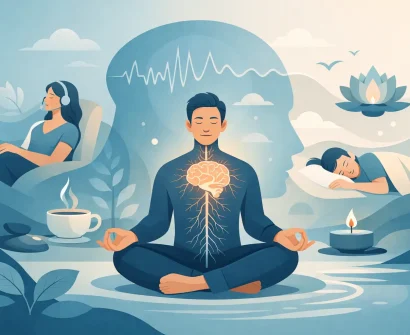
Take a slower breath than usual, not a perfect one. Look around and name five things you see. Place your hand on your chest or stomach if that feels comfortable. Don't do this as a quick fix to stop the feeling, but as an internal signal saying: I'm here, and I won't let myself be bothered.
Regulating emotions requires an honest label.
Sometimes the biggest obstacle isn't the feeling itself, but the ambiguity. You say, "I'm upset." But what does "upset" mean? Is it fear? Disappointment? Embarrassment? Sadness? A feeling of rejection? A loss of control?
The more precise the label, the clearer the response. Anger, for example, can often be a mask for deeper pain or a feeling of violated boundaries. And anxiety might be a message from an inner part anticipating a repeat of a past experience, rather than an accurate description of the present moment.
Labeling here is not a linguistic exercise. It's a way to restore clarity. And clarity reduces chaos. When you know what's happening, you're less likely to act against it or get absorbed by it.
Why do some feelings seem bigger than the situation?
Because the current situation isn't always the whole story. Sometimes a casual remark, a simple oversight, a delayed response, or limited criticism can reveal a much older layer underneath. It's this older layer that makes the response seem "overblown.".
If there is a part of you that learned early on that making a mistake means rejection, that need means danger, or that honest expression is met with punishment or ridicule, then it is natural for the current situation to carry more weight than it appears to.
This doesn't mean your reactions are irrational. It simply means they're linked to a history, not a single moment. And this is where regulating emotions becomes a fundamental, not superficial, process. You're not just addressing the symptom, but getting closer to the root cause of its recurrence.
What actually helps regulate emotions?
The honest answer is: it depends. Not everything that works for one person works for another, and not every situation requires the same thing. But there are constant principles that prove their usefulness time and again.
First, slow down. Not because slowness is a virtue, but because quick responses are often driven by old patterns. When you slow down, even a little, you increase the chance that you will choose rather than react automatically.
Second, gradually build inner security. This includes getting enough sleep, reducing overstimulation, noticing what drains you, and paying attention to your relationships. You can't expect to be calm when your entire environment is in a state of high alert.
Third, cultivate a less hostile relationship with your inner selves. You may have a part that gets angry easily, another that runs away, another that tries to please everyone, and another that criticizes you mercilessly. Treating these parts as enemies only exacerbates the divisions. Understanding their protective function opens a completely different door. Many people don't need harsher treatment of themselves, but rather a more structured understanding of their inner selves.
Fourth, there is a safe space for deeper work when the roots are traumatic or chronic. Individual effort alone may not be enough here. Sometimes, a person needs conscious and structured guidance to help them dismantle old patterns without becoming trapped by them.
When are quick fixes not enough?
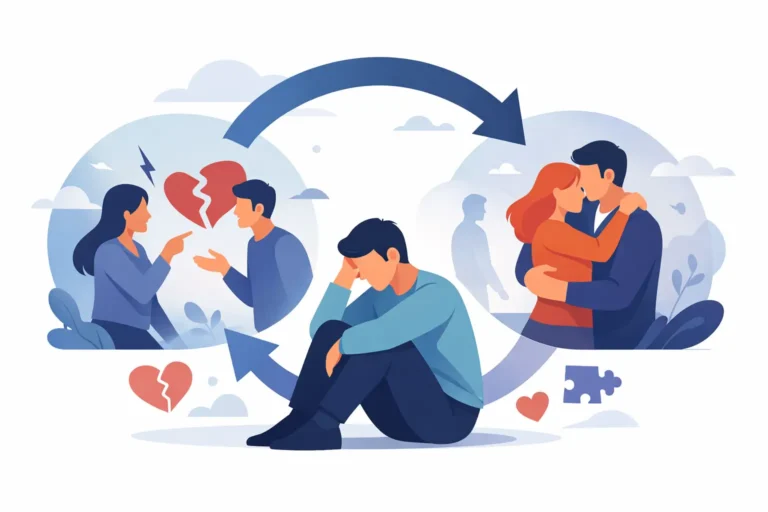
If you find yourself stuck in the same cycle despite all your efforts, or if your emotions fluctuate wildly, or if you experience chronic emotional numbness instead of passion, these are signs that warrant attention. Similarly, if your body is constantly tense, your sleep is disturbed, or your relationships suffer because you either explode, withdraw, or compromise your well-being, these are all warning signs.
Quick fixes are helpful in the moment, but they don't rewrite the pattern. They might calm the wave, but they don't explain why the same sea repeats itself with such force. This is where the importance of root-based work becomes clear, whether through a deeper understanding of the nervous system, trauma-sensitive approaches, or spaces that help you reconnect with yourself instead of just managing the symptoms.
This is the difference between learning how to look okay and actually starting to be okay.
Regulating emotions doesn't mean being calm all the time.
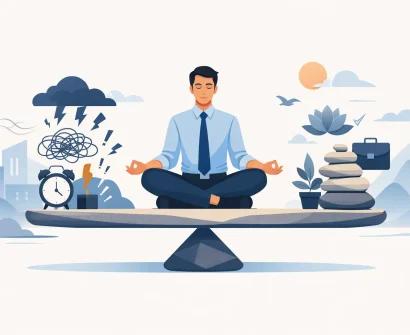
This is a daunting and unrealistic idea. The goal isn't to make your difficult feelings disappear, nor to become an unaffected person. The goal is to become less fearful of your inner self, and more capable of returning to yourself when you're troubled.
You may still have tough days. Old patterns may resurface under pressure. This doesn't mean you've failed. Healing isn't a straight line, and regulating emotions isn't a perfect performance. Sometimes, real progress is shown by noticing faster, hurting less, recovering more quickly, and seeking support before a breakdown rather than after.
And in the deeper course, these are not minor details. These are signs that the insider is beginning to trust that there is someone who can lead them safely.
If you're tired of quick-thinking advice telling you to move past what you don't yet understand, perhaps it's time for a different relationship with yourself. One free of harshness, denial, and haste. Just honesty, trust, and steps that gradually guide you back to a place more expansive than mere reactions. From this place, tranquility becomes a result, not a performance.