



Building inner security after trauma: Where to begin?
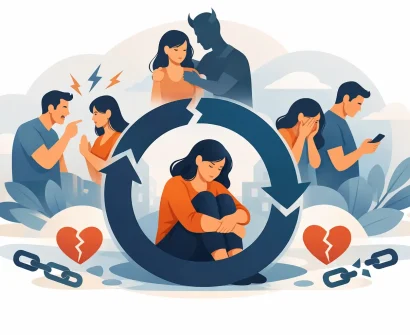
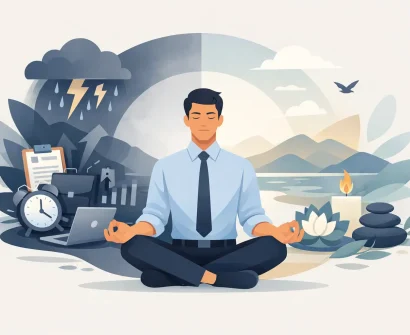
There are people who appear outwardly very composed. They work, they accomplish things, they smile, and they make seemingly rational decisions. But inside, it's something else entirely. There's relentless tension, constant vigilance, difficulty relaxing, and a subtle disconnection from oneself. This is where the real discussion about building inner security after trauma begins. Not as a pleasant idea, but as a fundamental need for those who are tired of living in survival mode even after the danger has passed.
Trauma doesn't always mean one large, obvious event. Sometimes it's years of stress, neglect, criticism, fear, or a lack of support. And sometimes it's repeated experiences that have taught the nervous system that the world is unsafe, that closeness is painful, and that comfort is fleeting. So, when we try to "get over it" quickly, we often run into an uncomfortable truth—the body hasn't yet accepted that the danger is over.
What does it mean to build inner security after trauma?
Building inner security after trauma doesn't mean that all difficult feelings disappear, nor that you become calm all the time. The deeper meaning is that a new frame of reference is formed within you—an inner space that knows how to observe fear without being consumed by it, absorb anxiety without succumbing to it entirely, and feel pain without seeing it as the end.
Inner security is a gradual ability to remain with yourself without internal attacks. It's about feeling a sense of stability even when experiencing a surge of emotion. It's about diminishing the feeling that you are threatened from within, or that you need to be overly controlling to avoid falling apart. This isn't just a mental process; it's a process that involves the body, emotions, and deep-seated beliefs about oneself and the world.
This is why many people read, understand, and are highly aware, yet still feel distracted or anxious. Understanding is important, but it's not enough on its own if the nervous system is still stuck in old defense mechanisms.
Why is it difficult to feel safe after trauma?
Because trauma changes the way we perceive, not just the way we remember. Comfort itself can become strange. Proximity can feel comforting one day and frightening the next. Some people become hypervigilant, observing everything and expecting the worst. Others withdraw, freeze, or lose touch with their feelings in order to keep going.
The problem here is that the conscious mind might say, “I’m fine now,” while the body reacts as if the threat is still present. This can lead to harsh interpretations of your reactions—why am I overreacting? Why am I breaking down over something minor? Why can’t I sleep even though everything seems stable?
In reality, this is often not an exaggeration. Rather, it's a signal from a nervous system that has learned to survive at maximum speed. When we understand this, the focus shifts from self-blame to self-compassion. This shift is not a luxury; it's the beginning of healing.
Signs that say you need more internal security
You might not call what you're going through a "trauma," but you've noticed that you're on edge most of the time, or that you overthink everything before making any decision. You might find it difficult to trust, feel responsible for everything, or experience an internal conflict between a part of you that wants peace and another part that won't allow it.
Sometimes this manifests in relationships: a heightened sensitivity to rejection, a fear of intimacy, or an intense attachment mixed with withdrawal. And sometimes it appears at work as a relentless drive to achieve without genuine rest, as if your worth is solely tied to your output. These patterns aren't character flaws; they're often clever, old coping mechanisms for survival.
How does recovery actually begin?
The beginning isn't about forcing yourself to be calm. Nor is it about convincing yourself that the past is over. The beginning is when you stop treating your symptoms as an enemy. Anxiety, distraction, detachment, and even over-controlling—these can all be protective responses. When you see them this way, the question becomes not, “How do I get rid of them immediately?” but, “What are they trying to protect me from?”
This perspective is fundamental to deep, trauma-based work. It restores dignity to your inner self instead of turning it into a problem to be crushed. In methodologies like IFS, NARM®, and Compassionate Inquiry, we don't begin with resistance, but with structured curiosity and respect. This doesn't mean complacency; it means that healing takes place in a less violent internal environment.
1) Start by organizing your body before analyzing everything else.
If your body is in a state of heightened alert, overanalysis can only exacerbate your exhaustion. A practical first step is to help your nervous system experience small moments of calm. This doesn't require lengthy meditation or perfect commitment; it requires simple, frequent interventions.
This might involve noticing your feet on the ground, slightly lengthening your exhale, or tracking what's stationary around you. It could also involve releasing pent-up tension through gentle movements or structured physical activity, as in some TRE®-based applications. The point isn't the performance itself, but rather sending a message to the body: you don't have to be on high alert all the time.
2) Distinguish between the present and the past
Much of the suffering after trauma stems from the blurring of time. Today's situation occurs, but the body reacts as if it were in a past scene. Here, we need gentle training in differentiation. What is truly happening now? And what has been awakened from the past?
This question is simple yet profound. Because it gives you distance—not to eliminate the pain, but to prevent the past from consuming the present. Over time, you begin to see that some reactions aren't a sign of weakness, but rather that your nervous system needs a refresher in its sense of security.
3) Build a new relationship with your feelings
Some people fear their feelings more than the event itself. Not because the feelings are dangerous, but because they have previously experienced them being met with indifference, ridicule, or punishment. Therefore, the feeling itself becomes threatening. Building inner security after trauma requires learning to feel without being overwhelmed.
This means approaching emotions in measured doses. Neither rushing in nor running away. If a wave of sadness arises, it might be best to consciously stay with it for a minute, rather than an hour of collapse. And if intense fear arises, you may first need to stabilize your body before opening up about it. Healing is not a race against time. It's about respecting the rhythm your internal system allows.
4) Observe the inner voice that attacks you
One of the most subtle effects of trauma is that external hurt transforms into a constant internal critic—a voice telling you that you are weak, overrated, or behind everyone else. This voice may sometimes seem logical, but deep down, it perpetuates an old atmosphere of pressure or threat.
Inner security doesn't grow amidst inner humiliation. It grows when you learn to notice that voice without completely identifying with it. You might say to yourself: "There's a fearful part of me pressing down right now." This statement alone changes a lot because it separates your identity from the response that's operating within you.
What slows down healing?
What slows recovery the most is trying to skip over the root cause. Seeking only quick fixes, or using spiritual language to gloss over the pain instead of honestly confronting it. Comparison is also very damaging. You might see someone else who seems to have moved on, and think your slowness is a failure. But it's not a failure. Every nervous system has its own history, and every person has a different threshold.
Sometimes the obstacle lies in the current environment. If you're still in a relationship or setting that constantly reactivates fear, your sense of security will remain fragile. This highlights a truth many dislike—not all healing is solely internal. Sometimes it requires clear boundaries, distance, or courageous decisions to protect what you're trying to build.
When do you need expert support?
If you feel you understand yourself but keep falling into the same cycle, or if your body experiences periods of numbness, panic, or dissociation that are difficult to manage, professional support is not a luxury. This is especially true if you have chronic symptoms such as insomnia, burnout, emotional outbursts, or recurring relationship difficulties.
Working with a trauma practitioner can shorten years of wandering. Not because they will fix you, but because they provide a safe relationship and a structured approach that helps you see what you can't see on your own. This is especially important for high-functioning people who are used to logic and reasoning. Some wounds don't respond to further explanation alone. You need a different kind of safe experience, within a conscious and thoughtful relationship.
In this type of work, you're not forced to dig quickly, and your pain isn't reduced to generic advice. Instead, you're treated as a complete system—body, emotions, attachment patterns, beliefs, and internal components, each with its own function. This makes the transformation more lasting, not just a temporary boost.
If you're reading this and feeling tired of forcing yourself, perhaps that's not a sign of weakness. Perhaps it's the moment when honesty begins. Inner security isn't built by becoming someone else, but by returning to yourself in a way you've never been able to before. A quiet, honest, and consistent step—that's enough to start.